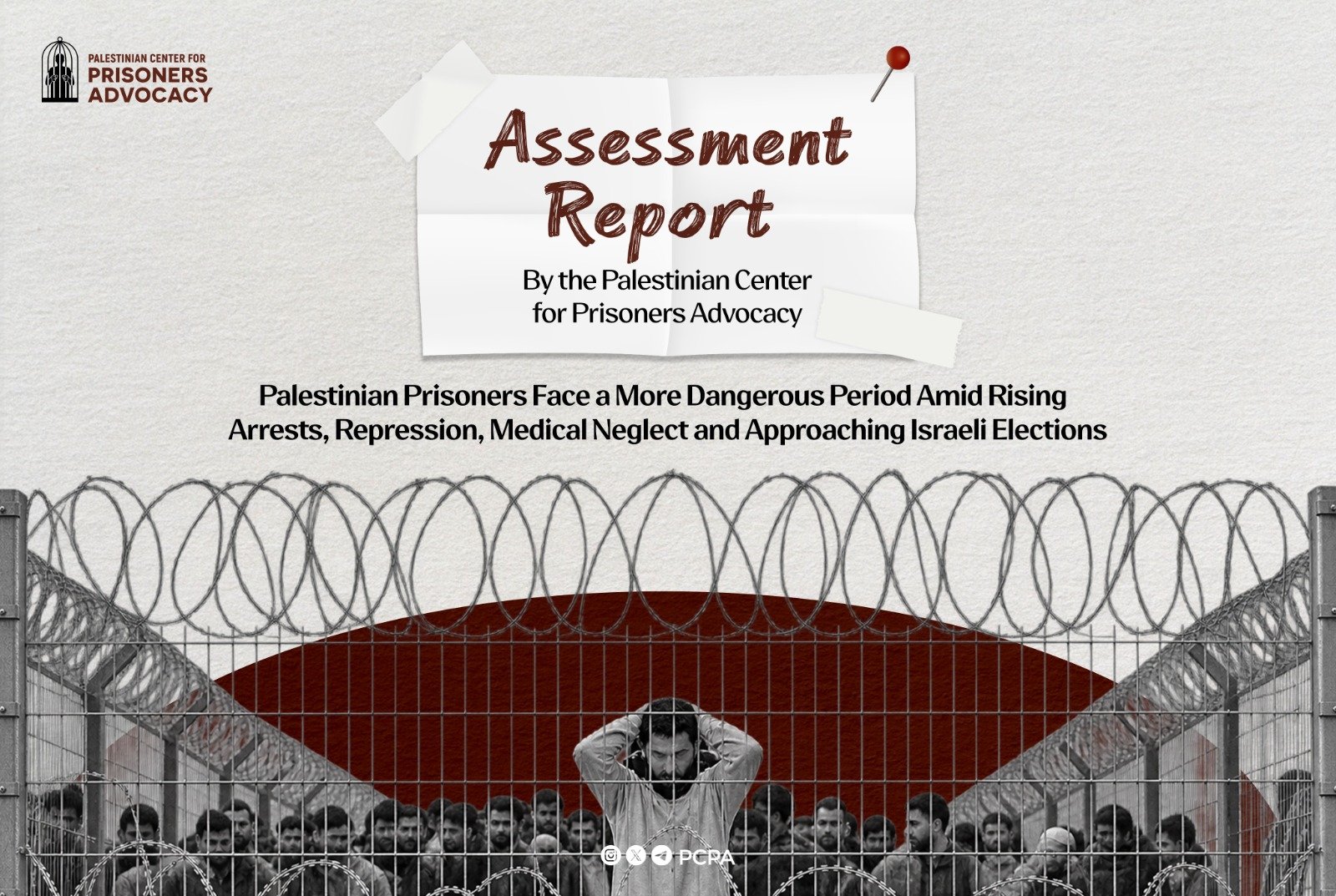
Palestinian Prisoners Face a More Dangerous Period Amid Rising Arrests, Repression, Medical Neglect and Approaching Israeli Elections
The coming period could be among the most dangerous for Palestinian prisoners held in Israeli prisons, amid continued arrest campaigns across the occupied West Bank, escalating reports of torture, starvation, medical neglect, isolation and abuse inside detention facilities, as well as policies promoted by Israeli National Security Minister Itamar Ben-Gvir and the approach of Israel’s elections scheduled for October 27, 2026.
The death of detainee Ihab Diab from the Gaza Strip has renewed concerns over the lives of Palestinian prisoners, particularly as questions remain surrounding the circumstances of several deaths in detention and as information remains limited about the conditions of a number of detainees from Gaza, some of whom have endured prolonged periods of enforced disappearance and complete loss of contact with their families.
Available figures indicate that more than 9,600 Palestinian prisoners and detainees are currently held in Israeli prisons, including more than 3,500 administrative detainees and more than 1,000 detainees from the Gaza Strip. Human rights reports have documented more than 100 deaths in Israeli detention facilities since October 2023.
Continued Arrests and an Expanding Circle of Palestinians at Risk
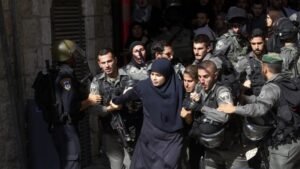
Arrest campaigns continue across cities, towns and refugee camps in the occupied West Bank. Israeli forces carry out arrests on a daily basis, sometimes detaining dozens of Palestinians in a single day, alongside raids on homes, destruction of property, field interrogations and assaults during arrest operations.
The continuation of these arrests means that new detainees are entering an already overcrowded prison system marked by harsh conditions, further expanding the number of Palestinians exposed to reported abuses inside detention facilities.
Testimonies Reveal a Repeated Pattern Inside Israeli Prisons
What is taking place inside Israeli prisons goes beyond isolated abuses or individual misconduct by prison guards.
Testimonies from released prisoners, families of detainees and lawyers describe similar patterns across multiple detention facilities, including beatings, torture, starvation, isolation, humiliation, denial of medical treatment and deprivation of basic necessities.
Recent testimonies have documented prisoners being released in severely weakened physical condition and after substantial weight loss. Others have reported untreated fractures and injuries, the spread of skin diseases, inadequate and poor-quality food, deprivation of water, hygiene products and clothing, prolonged restraint, humiliation and repeated physical assaults.
Some testimonies also include allegations of sexual violence and the use of dogs during raids, abuse and interrogation. These are among the most serious allegations emerging from detainee testimonies and require credible and independent investigations rather than being treated as isolated incidents.
The similarity of these accounts, despite coming from different prisoners held in different facilities, indicates that these practices cannot simply be attributed to individual behavior. They point instead to a recurring pattern within the Israeli prison system.
Sick and Injured Prisoners Face Growing Danger
The situation of sick and injured prisoners is among the most serious concerns at present.
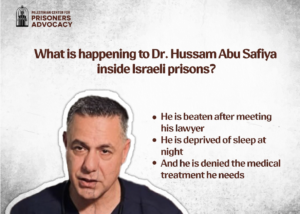
Medical neglect is no longer limited to delayed appointments or examinations. Testimonies describe prisoners being denied medication, diagnostic examinations and medical follow-up, while injuries and fractures deteriorate without adequate treatment.
This is compounded by insufficient food and poor-quality meals, increasing the danger to sick prisoners, injured detainees and older prisoners, particularly amid widespread reports of significant weight loss.
The combination of illness, hunger, injury and lack of adequate medical care within harsh detention conditions creates a serious risk of rapid health deterioration. Any delay in treatment can become a direct threat to a prisoner’s life.
Gaza Detainees: Isolation, Disappearance and Lack of Information
Detainees from the Gaza Strip remain among the groups facing the greatest risks because of prolonged isolation from the outside world, restrictions on lawyers and organizations attempting to reach them, and the lack of information regarding the whereabouts and conditions of some detainees for extended periods.
Some prisoners have spent months without knowing anything about their families or what happened to them during the war, while families have simultaneously waited for any information about where their relatives are being held or whether they remain alive and in good health.
The situation has become even more serious following reports of Gaza detainees who died in custody while their families were not informed about their fate in a timely manner. This raises serious concerns about other detainees whose conditions and whereabouts remain unclear.
The lack of information is not merely an administrative issue. It inflicts severe psychological suffering on prisoners and their families.
The disclosure of the names of all Gaza detainees, their places of detention and their medical conditions must therefore be treated as an urgent priority.
Ben-Gvir’s Policies and the Israeli Election Period
The deterioration in prison conditions cannot be separated from the policies promoted by Israeli National Security Minister Itamar Ben-Gvir, his repeated calls for harsher detention conditions and further restrictions on Palestinian prisoners, and the political environment created by this rhetoric.
With Israeli elections approaching, there are serious concerns that Palestinian prisoners could increasingly become part of electoral and party competition, with calls for harsher punishments and further restrictions used to appeal to Israel’s far-right electorate.
This does not mean that every new measure introduced inside Israeli prisons is directly connected to the elections. However, the current political environment makes close monitoring of the coming months particularly important, especially if political competition develops around demonstrating increasingly hardline positions toward Palestinian prisoners.
A further escalation in repression and restrictions inside prisons would come at a time when thousands of prisoners are already facing severe medical and living conditions, potentially resulting in further deaths in custody if current conditions continue.
Prisoner Testimonies Must Become Evidence for Accountability
Testimonies provided by released Palestinian prisoners must not remain stories that are published and then forgotten.
They should be systematically collected and documented, alongside medical reports, photographs and supporting statements, and preserved as evidence that can be used in investigations and accountability processes.
When accounts of torture, starvation, medical neglect and humiliation repeatedly emerge from different prisoners held in multiple detention facilities, independent investigations become essential to determine what happened, who issued the orders, who carried them out and who provided institutional or political cover.
The media also carries an important responsibility to keep the issue of Palestinian prisoners visible, particularly the testimonies of released detainees, Gaza prisoners and sick prisoners.
These accounts should be communicated to international media in multiple languages so that abuses inside Israeli detention facilities do not remain hidden from global public attention.
What Is Required Internationally
Statements expressing concern or condemnation are no longer sufficient.
International organizations must be granted effective access to Israeli prisons and detention facilities and be allowed to meet prisoners directly and confidentially, without surveillance by prison authorities.
Particular attention must be given to sick and injured prisoners, while ensuring access to medical treatment, adequate food, water, hygiene and other basic necessities.
Deaths in custody must be independently investigated.
The fate of all detainees from the Gaza Strip must be fully disclosed, allegations of torture must be independently documented, and those responsible for abuses must be held accountable.
No individual who participated in violations, ordered them or facilitated them should be shielded from investigation or accountability.
Assessment
The death of Ihab Diab should not be viewed as an isolated incident separate from the broader situation inside Israeli prisons. It represents another warning sign amid continuing reports of torture, starvation and medical neglect, while new detainees continue to enter the prison system every day as arrest campaigns continue across the occupied West Bank.
The continuation of these conditions, combined with Ben-Gvir’s policies and Israel’s entry into an election period, makes the coming months particularly sensitive and dangerous for Palestinian prisoners, especially the sick, injured, elderly and detainees from the Gaza Strip.
The responsibility to protect Palestinian prisoners does not rest solely with their families or Palestinian institutions.
The international community and relevant international bodies carry legal and moral responsibilities to act before further deaths occur, ensure independent monitoring of Israeli detention facilities, investigate abuses and deaths in custody, and pursue accountability for those responsible.
Palestinian Center for Prisoners Advocacy
August 12, 2026