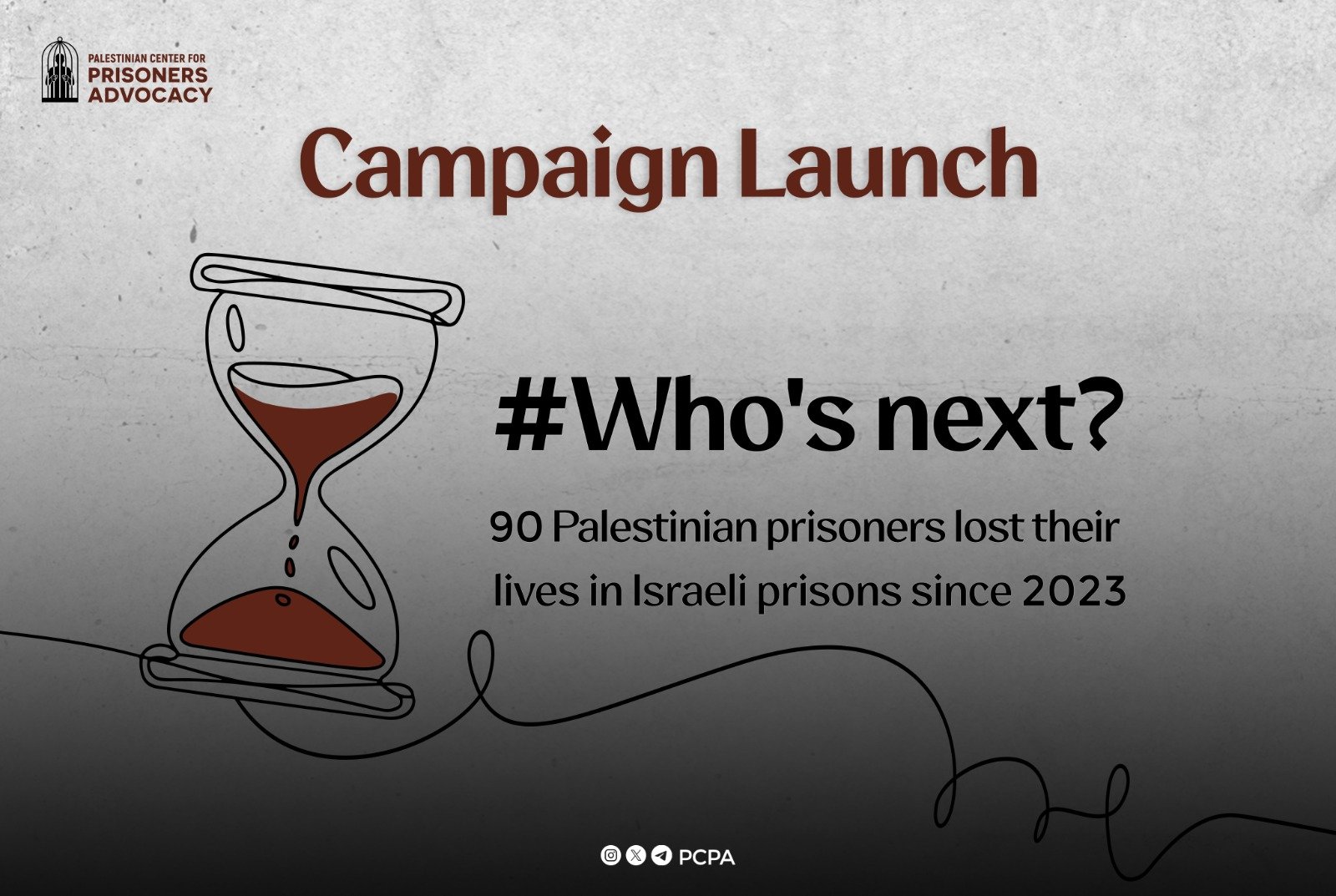
Lina al-Tawil, director of the Palestinian Center for Prisoners Advocacy, announced the launch of a media campaign titled “Who’s Next?” following the death of prisoner Imad Sarhan.
Sarhan died inside Israeli prisons, becoming the 90th death/killed among the prisoners since the start of the war on Gaza nearly two years ago, and the 327th death/killed in the record since 1967.
Al-Tawil said that the choice of the campaign’s title reflects the scale of genuine fears that more prisoners and detainees, especially the sick, may die, amid the continued policy of systematic medical neglect and escalating abuse inside Israeli prisons and detention centers.
She stressed that the question imposing itself today after the death of Imad Sarhan is: Who’s next?
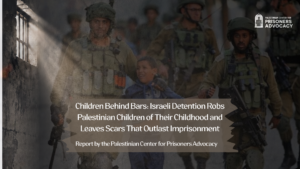
She added that the unprecedented escalation of policies of repression, isolation, starvation, physical assaults, and denial of treatment inside prisons places the lives of hundreds of sick prisoners in constant danger, turning illness into a postponed death sentence that could be carried out at any moment.
Al-Tawil affirmed that the death/killing of 90 prisoners since the start of the genocide war is a dangerous indicator of the scale of crimes committed against prisoners and detainees.
She warned that the number of the killed is likely to rise amid the continued international silence and the failure to take practical measures to stop the ongoing violations against Palestinian detainees.
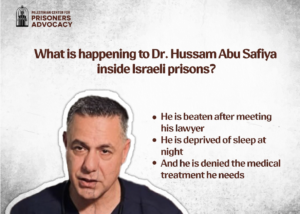
She explained that the campaign will continue for one week and will focus on highlighting the health and humanitarian conditions of sick prisoners, exposing their daily suffering, and revealing the deliberate medical neglect policy pursued by the Israeli occupation forces, in addition to emphasizing the imminent dangers threatening their lives.
The director of the Palestinian Center for Prisoners Advocacy stressed that sick prisoners are currently living under extremely harsh conditions, and that the continued Israeli aggression inside prisons directly contributes to the increase in the number of martyrs, especially in the absence of effective international oversight and the continued impunity.
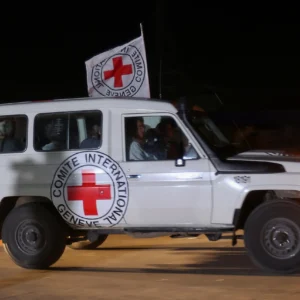
Al-Tawil called on international institutions, foremost among them the United Nations, the International Committee of the Red Cross, and human rights organizations, to take urgent action to save sick prisoners and exert real pressure on the occupation to stop the policy of slow killing.
She emphasized that protecting the lives of prisoners is no longer merely a humanitarian issue, but has become a real test of the world’s commitment to the principles of justice and human rights.
Al-Tawil concluded her statement by affirming that the “Who’s Next?” campaign is a warning cry and a distress message directed to the entire world, because continued silence over the crimes committed inside prisons simply means waiting for a new death.